




Chemical Disaster Prevention Day 2025, Theme, why it matters & How Observe It
Chemical Disaster Prevention Day 2025 is more than a commemoration — it’s a practical checkpoint for hazardous-industry leaders to examine whether systems, people and plans would stop a small incident becoming a catastrophe. For high-hazard sectors such as chemicals, pharmaceuticals and oil & gas, one day of focused activity, review and training can significantly reduce the chance of loss of life, environmental damage and reputation-destroying accidents.
On the 10th anniversary of the Bhopal disaster, on December 4, 1998, the then Ministry of Environment & Forests (Government of India) organised a formal interactive session in New Delhi (at FICCI, Tansen Marg), and adopted this date to mark a national observance day: Chemical Disaster Prevention Day. The Bhopal Gas Tragedy — one of history’s worst industrial disasters — occurred on the night of December 2–3, 1984, at a pesticide plant in Bhopal, India. A leak of the highly toxic chemical Methyl Isocyanate (MIC) killed thousands and injured or permanently disabled many more.
Chemical Disaster Prevention Day 2025 theme
There is not a Government published theme for Chemical Disaster Prevention Day in 2025 but “Prevention, Preparedness and Protection.” Could be a meaningful theme everyone can adopt as this frames three concrete priorities for industry leaders: stop incidents from happening, make sure response systems are tested and effective, and protect people, communities and the environment.
Why Chemical Disaster Prevention Day matters
- High consequence, low-frequency risk: Chemical incidents may be rare at a well-run plant, but their consequences can be catastrophic — large numbers of fatalities, long-term environmental damage and irreversible community harm.
- Complacency erodes barriers: Regular reminders and drills keep layers of protection — instrumentation, process controls, permits, permits-to-work, training and emergency plans — functioning as designed.
- Cross-functional coordination: The day creates a legitimate reason for operations, maintenance, safety, contractors and local emergency services to meet and test interfaces.
- Regulatory and social licence: Demonstrating active prevention and preparedness improves regulator confidence and community trust and reduces litigation and business interruption risk.
- Learning and continuous improvement: Reviewing past incidents (domestic and global) helps identify latent system failures before they align into a disaster.
How a chemical plant should observe Dec 4 — a practical, action-oriented programme
Use the 2025 theme “Prevention, Preparedness and Protection” as the structure for a day that is operationally useful, not merely symbolic.
Prevention (stop incidents from starting)
- Hazard audits: Rapid focussed HAZOP-lite or checklist audits for critical units (storage tanks, loading/unloading, transfer lines, reactors).
- Permit-to-work blitz: Audit a representative sample of recent hot works, confined space and lifting permits for compliance and competency gaps.
- Management safety walk: Senior management walk-through with frontline operators — identify and remove simple risk tolerances.
- Contractor induction refresh: Re-induct contractor supervisors with specific chemical-hazard content.
Preparedness
- Integrated mock drill: Simulate a toxic release and run the full emergency chain — control room, ERT, medical triage, community warning and evacuation (tabletop + field).
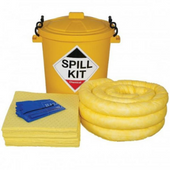
- Equipment checks: Quick verification of community sirens, SCBA sets, spill kits, neutraliser stocks, emergency power and communications.
- Communications runbook test: Call tree test with local hospital, fire services and district disaster office.
Protection
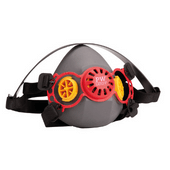
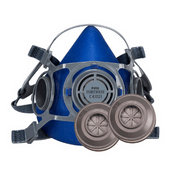
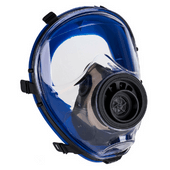
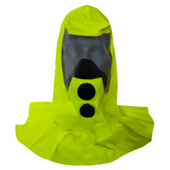
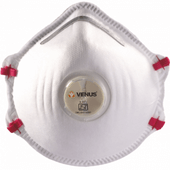
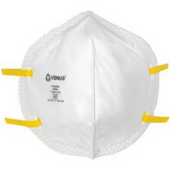
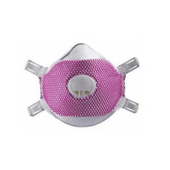
- PPE and medical readiness: Check PPE inventories, respirator fit tests, and availability of first-aid and antidote kits where relevant.
- Community IEC: Distribute leaflets to neighbouring communities about shelter-in-place procedures and emergency numbers.
- Environmental protection review: Verify secondary containment, bund integrity, and wastewater/air monitoring triggers.
Engagement & culture
- Mini-conference / lunch & learn: Short talks by process safety, emergency services, and a family member of a past incident survivor to humanise risk.
- Recognition: Awards for teams that prevented incidents or improved controls in the last year.
- Poster & video contest: Simple IEC content created by teams; display across site and share on the company website / LinkedIn.